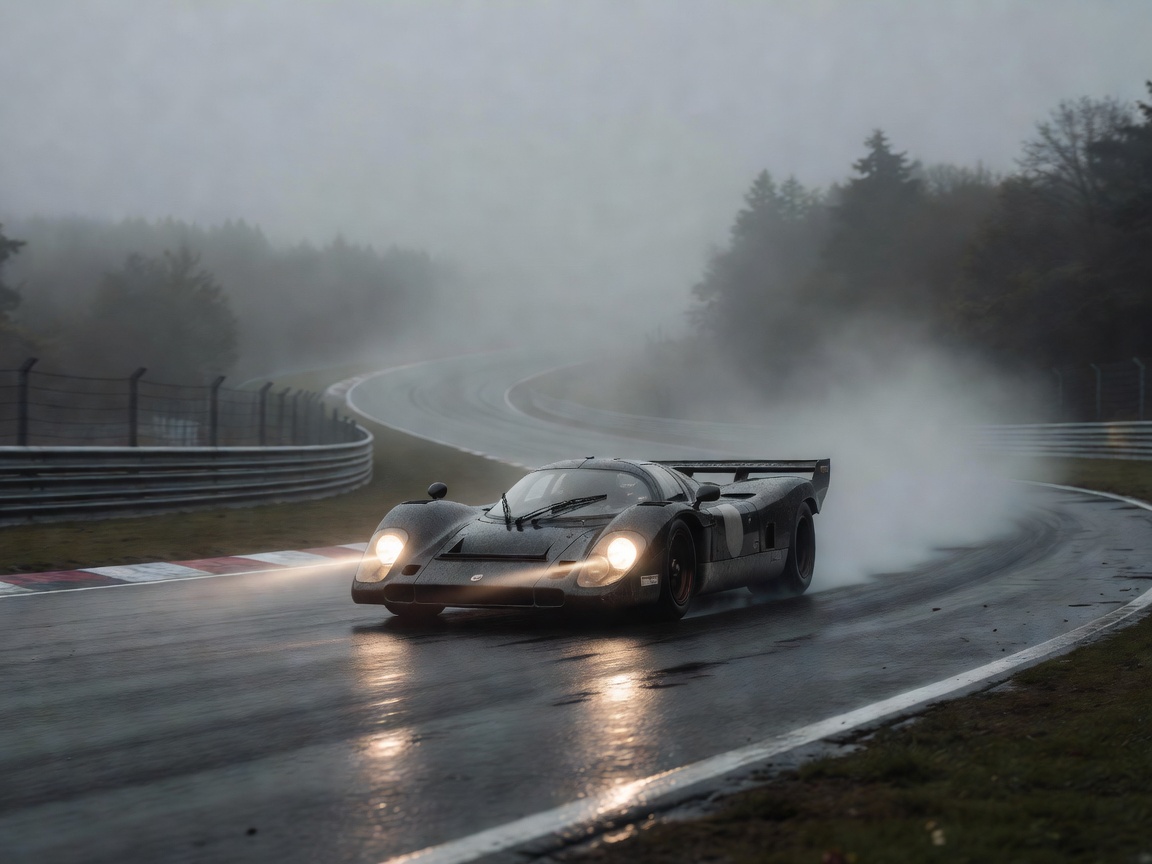
What makes Spa Classic different
Most modern race weekends are built around a single headline series. Spa Classic works the other way: it is a festival of historic grids, each representing a different era or category. Across a weekend you might move from the delicate, narrow-tyred sports cars of the 1960s to the wide, ground-effect prototypes of the Group C period, with touring cars and GT machinery in between. Peter Auto runs several championships of this kind, including grids such as Sixties' Endurance and Group C Racing, and Spa is a natural home for them.
The cars are raced, not paraded. That matters. You hear engines at full song, see drivers wrestling period chassis through Eau Rouge and watch pit stops that echo the endurance racing of their original era.
The grids at a glance
Exact line-ups are published by the organiser for each edition, but the categories you can typically expect fall into a few families:
- Sixties endurance and GT: front-engined GTs and early mid-engined sports cars, often sharing the track with very different performance levels.
- Touring cars: saloons from eras when production-based racing looked recognisably like road cars.
- Seventies and eighties sports prototypes: the wedge-shaped, high-downforce cars that defined endurance racing's golden years.
- Group C: for many visitors the highlight, as these prototypes are among the fastest historic cars you can still see raced.
Where to watch
Spa is a big site, and choosing two or three viewpoints is better than trying to see everything. The run from La Source down through Eau Rouge and up Raidillon is essential for first-time visitors: the compression and climb look even more dramatic in person. Further round, the outside of Pouhon lets you watch cars carry speed through a long double-left, while Blanchimont shows the fastest cars at full commitment. Grandstand access and general admission areas vary by event, so check what your ticket includes before you plan a walking route.
The paddock experience
Historic events are known for open, approachable paddocks. Mechanics work on cars in full view, and owners are frequently happy to talk about provenance and restoration. Treat it like someone's workshop: ask before photographing up close, keep children and bags clear of moving cars, and never touch bodywork. The paddock is also where you will understand how much work goes into keeping a fifty-year-old race car competitive.
Spa Classic versus the Spa Six Hours
| Factor | Spa Classic | Spa Six Hours |
|---|---|---|
| Structure | Many grids, many shorter races | Headline endurance race plus support races |
| Era range | Broad, up to Group C | Headline race centred on older cars |
| Atmosphere | Festival pace, lots of variety | Builds towards a race into darkness |
| Best for | Seeing as many eras as possible | Endurance storytelling and night racing |
Pros and cons
Pros
- Huge variety of cars in a single weekend.
- Real racing rather than static displays.
- Open paddock culture that welcomes curious visitors.
- Group C prototypes on one of the tracks they were built for.
Cons
- The schedule is dense; you will miss something.
- Walking between viewpoints takes time and effort.
- Weather in the Ardennes can be unpredictable in any season.
- Local accommodation is limited on popular weekends.
Planning checklist
Download the timetable once it is published and mark the grids you most want to see, then build your viewpoints around them. Wear proper walking shoes, because the circuit's elevation changes are just as real on foot. Pack ear protection for younger visitors, a light rain jacket and a portable phone charger. If you are driving a classic yourself, look out for any car park areas the organiser reserves for historic or club vehicles, which often become an informal show in their own right. For official details, consult Peter Auto and the circuit's calendar.